
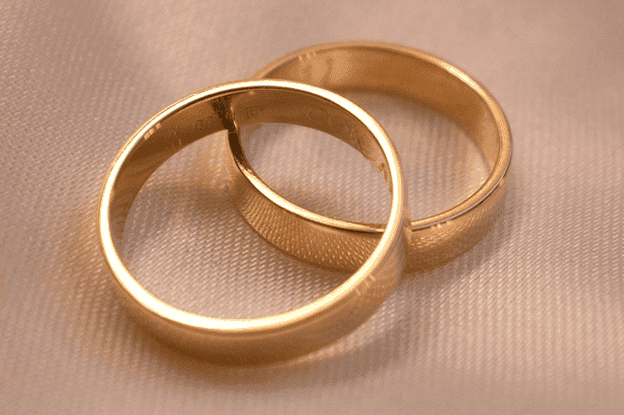
WEDDING RINGS:
The first use of wedding rings dates back to ancient Egypt, over 5,000 years ago, when couples exchanged braided hemp, reeds, or leather rings. The circle, its shape effectively endless, symbolised eternity, and was often worn on the fourth finger of the left hand in the belief that a vein (“vena amoris”) ran directly to the heart.
Fast forward almost 2000 years and the affluent Romans popularised metal rings, usually made from iron or gold. For them, the ring also symbolised ownership or a contract of marriage. It was around 1,100 years ago when the early Christian movement formally incorporated rings into their church wedding ceremonies, turning them into a sacred, religious symbol.
Today, the exchange of rings at a wedding symbolises a couple’s eternal love and commitment.
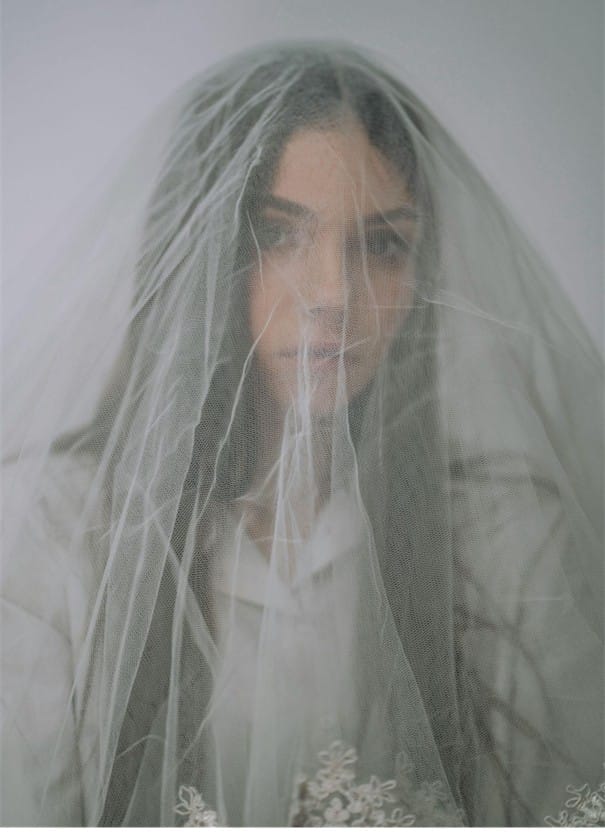
WEDDING VEILS:
Around 5,000 years ago the Romans and Greeks believed that a bride’s transition into marriage was a vulnerable one! Veils were therefore used as a form of protection to ward off evil spirits, bad luck, and jealous eyes. Symbolising modesty and purity, veils represented the bride’s transition from being a maiden to becoming a wife, and in Christian traditions represented innocence, humility and virginity.
Some cultures used a veil as a way to conceal the bride’s face, especially in arranged marriages where the groom may not have seen the bride beforehand. Once the ceremony was complete the groom would lift the veil as a symbol of his acceptance. The groom’s unveiling can also represent his acceptance of his new wife, and the change of ‘ownership’ from her father to himself.
In 1840 when Queen Victoria wore a veil at her marriage to Prince Albert, veils suddenly became a fashionable accessory, with the length and quality of the veil showing social status. Today, the wearing of a veil is a bride’s popular choice for a variety of reasons; as a nod to tradition, for the drama of the ‘reveal’, or purely to complement their dress and to enhance their overall look.
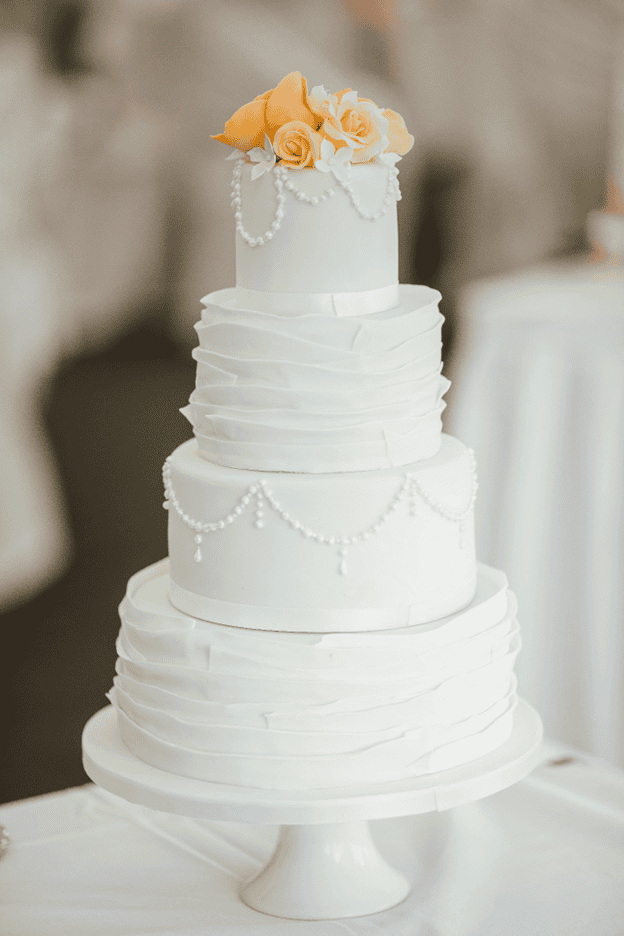
WEDDING CAKES:
One of the first traditions began in Ancient Rome where bread was broken over the bride’s head to bring good luck to the couple, with the bride and groom eating some of the crumbs together. Guests at the wedding would gather up the crumbs as good luck tokens!
In Medieval England small cakes were stacked as high as possible for the bride and groom to try and kiss over, with a lifetime of prosperity guaranteed if they were successful. Hence the tradition of the tiered wedding cake was born….. Or was it?
Alternative records stated that, towards the end of the 18th century, an apprentice baker in London attempted to impress both his bride and her father (his boss) by making an extravagant wedding cake for them. Apparently his inspiration came from the unusual spire of the nearby St. Bride’s church, which has a number of tiers.
The cutting of the cake is said to represent the first activity undertaken as a couple, although prior to this tradition the bride cut the cake alone to symbolise the loss of her virginity. It was thought that the cake had to be white to reflect the bride’s purity, but in the 19th century covering fruit cake in heavy white icing was a status symbol, showing that the family could afford the expensive ingredients at a time when sugar was expensive. Queen Victoria and Prince Albert set this trend, as theirs was the first tall white wedding cake of this kind.